
Our services

Air-supported Gymnasium
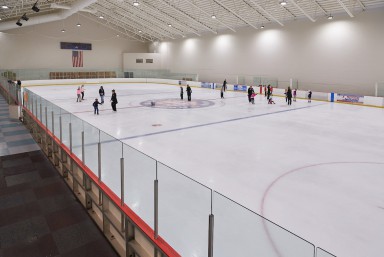
Air-supported Ice Rink
Out door skating rink
Snow park
Mall skating Hall
Air-supported Gymnasium

Air-supported Ice Rink

Out door skating rink

Snow park

Mall skating Hall


WHO WE ARE
There are two primary ice-making technologies for ice rinks: direct evaporation ice-making technology and ethylene glycol indirect evaporation ice-making technology. We adopt ISREL’s proprietary direct evaporation ice-making technology, which achieves an overall energy saving of more than 70% compared with ethylene glycol indirect evaporation ice-making systems. A standard ice rink’s annual power consumption can be kept below 400,000 kWh (the standard unit for electricity, revised from the non-standard kw/H).
WHO WE ARE
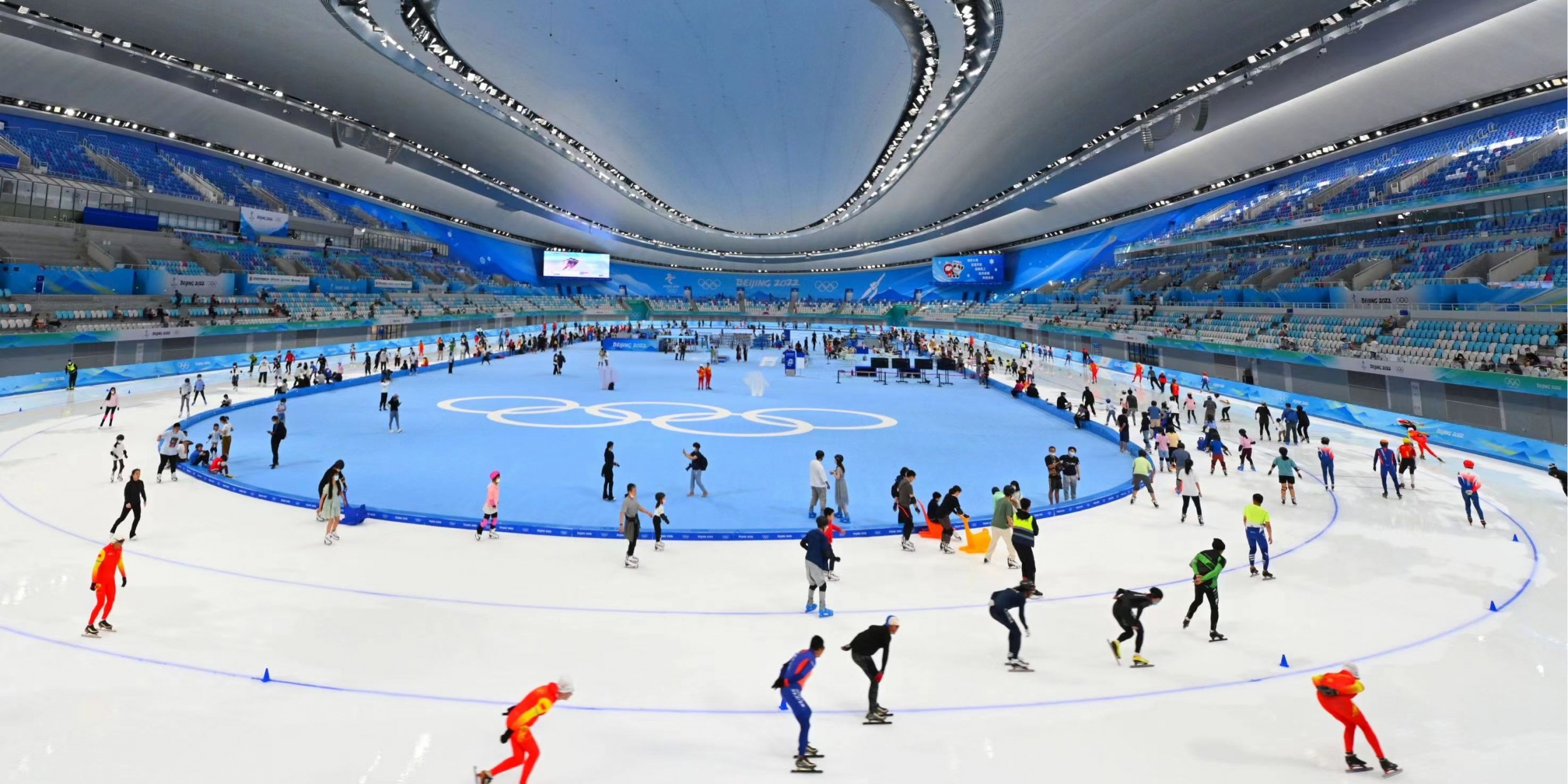
ISREL Energy-Saving Artificial Ice Rink
There are two primary ice-making technologies for ice rinks: direct evaporation ice-making technology and ethylene glycol indirect evaporation ice-making technology. We adopt ISREL’s proprietary direct evaporation ice-making technology, which achieves an overall energy saving of more than 70% compared with ethylene glycol indirect evaporation ice-making systems. A standard ice rink’s annual power consumption can be kept below 400,000 kWh (the standard unit for electricity, revised from the non-standard kw/H).
This solution completely frees ice rink investors from the pressure of high energy consumption and slashes operational expenses significantly. As a result, more Chinese residents can experience ice sports including figure skating and ice hockey, fueling the advancement of ice sports across China.
Besides high energy efficiency and excellent environmental performance, the ISREL ice-making system boasts four core strengths: fast ice formation, low civil engineering costs, compact equipment room space and superior ice quality:
- Fast ice formation It takes less than 20 hours for an international standard ice arena to produce competition-standard ice after startup, with a power consumption of only 4,140 kW throughout the process.
Service Case
2000
+

Excellent Team
30
+

Covering Industry
70
+

Honor Received
600
+


News
-
Asirui Ice-Making System: Multiple Advantages Set a New Industry Benchmark
Jun 17, 2026
During the development of the ice rink industry, the performance of ice-making s
-
Boosting the Popularization of Ice Sports — Asirui Ice-Making Technology Plays an Indispensable Role
Jun 17, 2026
Ice sports, combining competitiveness and ornamental value, are deeply loved by
-
Energy-Efficient Ice-Making Technology Redefines Low-Carbon Operation of Ice Rinks
Jun 17, 2026
High energy consumption has long been a major bottleneck restricting the develop